 Women's Underwear
 Panty Packs
 Monthly Boxes
 Little Promises -Girls 6-12
“Inclusive sizing” has become a familiar phrase in fashion. But offering more sizes doesn’t automatically mean a garment was designed for more bodies.
True size-inclusive design starts much earlier than the size chart. It begins with understanding that bodies don’t simply get bigger or smaller in equal proportions. This matters even more when you’re designing something as personal and close-fitting as underwear.
It’s easy to assume that creating an inclusive size range means taking one pattern and simply scaling it up or down. But bodies don’t work that way. As sizes change, proportions can change too. Hip shape, rise, leg openings, waistband dimensions, and the relationship between different parts of the garment all need to be considered.
Simply enlarging a smaller pattern might technically match a set of measurements, but that doesn’t mean it will feel right on the body. The waistband may sit differently, the leg openings may feel too tight or too loose, or the coverage may change from one size to another.
That’s why truly inclusive design treats every size as its own design consideration rather than just another number on a chart.
And fit can’t be understood from measurements alone. A size chart can tell you the dimensions of a garment, but it can’t tell you how that garment behaves when someone sits, walks, bends, stretches, or moves through an entire day.
That’s where fit testing becomes important. A thoughtful development process considers women across different sizes and body shapes instead of relying on one fit model and assuming the same pattern will work equally well everywhere.
Small adjustments can make a surprisingly big difference. A few changes to the rise, waistband, leg opening, or stretch can completely change how comfortable underwear feels.
This is especially important because underwear is not an occasional garment. It’s something most women wear for hours every day. A waistband that digs into your skin, a leg opening that feels restrictive, fabric that shifts when you walk, or coverage that doesn’t feel right can turn into a constant annoyance.
These shouldn’t simply be treated as problems that come with wearing a certain size. Good design should account for different bodies from the beginning.
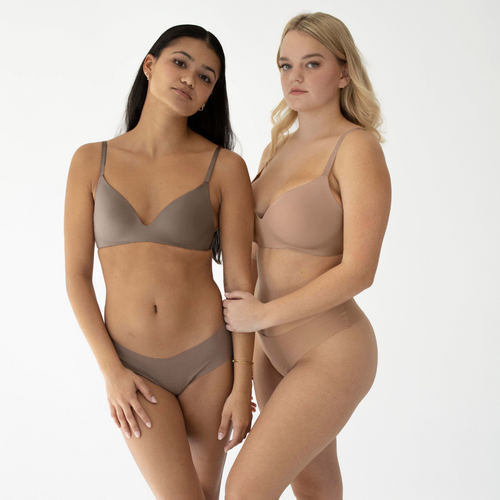
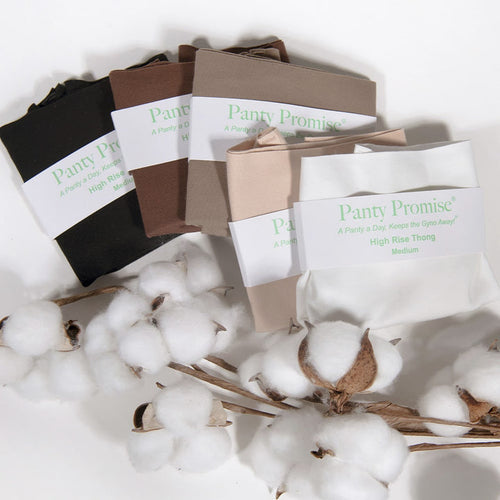
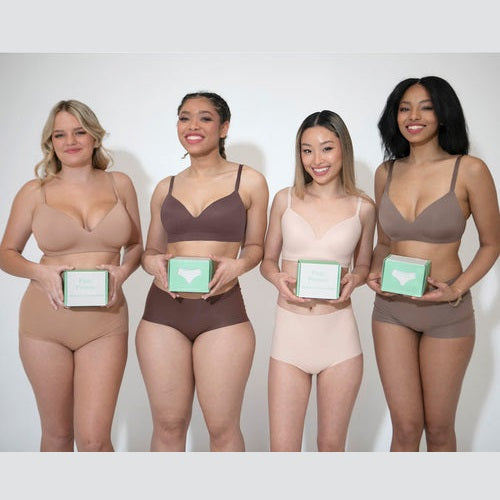
At Panty Promise, inclusivity is about more than adding sizes to a dropdown menu. Our underwear is available from XS through 4X, with different rises and coverage options designed to give women more choice in how their underwear fits and feels.
The goal is simple: your size shouldn’t determine whether you receive the same level of thought, comfort, and design quality.
An XS shouldn’t be considered the “standard” while every other size is treated as an adaptation. Every body deserves underwear that feels intentionally designed for it.
Because the future of inclusive fashion isn’t simply a longer size chart. It’s better pattern development, more thoughtful fit testing, greater attention to different proportions, and a willingness to recognize that bodies are diverse by nature.
That’s what good inclusive design should feel like not a compromise, but underwear that feels like it was made for you from the beginning.